

.png)

.png)
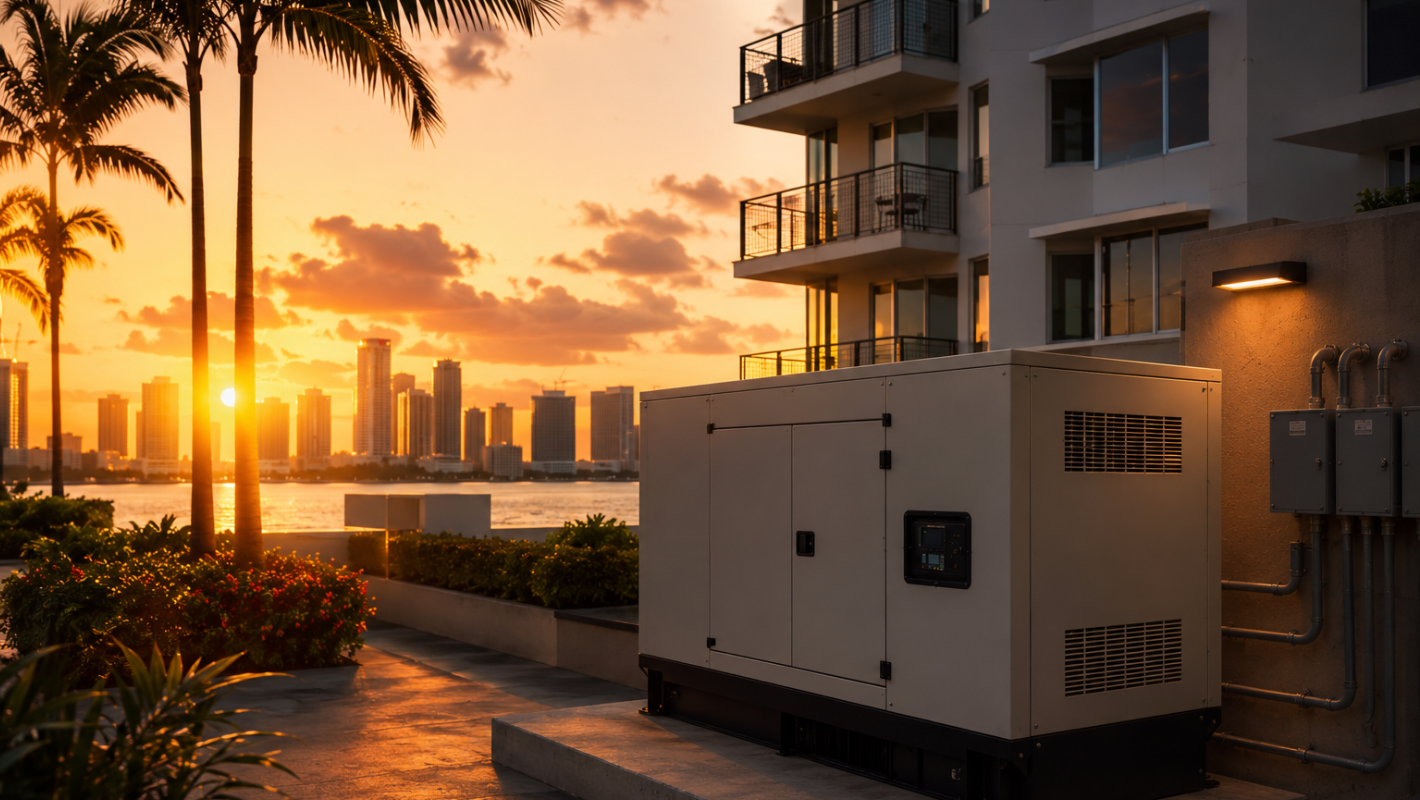
In South Florida, the question is not whether the power will go out, but when and for how long. Major storms have left parts of the state without power for weeks. For commercial buildings, that means lost revenue, spoiled inventory, and risk to life safety systems. Backup power turns an outage from a crisis into an inconvenience.
Know your critical loads
Start by listing what truly must stay on: life safety systems, elevators, pumps, refrigeration, servers, and security. Sizing a generator starts with this list, not with the size of the building.
Test before the season, not during it
A generator that has not run under load is a guess, not a plan. Annual load testing, fuel checks, and transfer switch inspection should happen before June, not after the first warning.
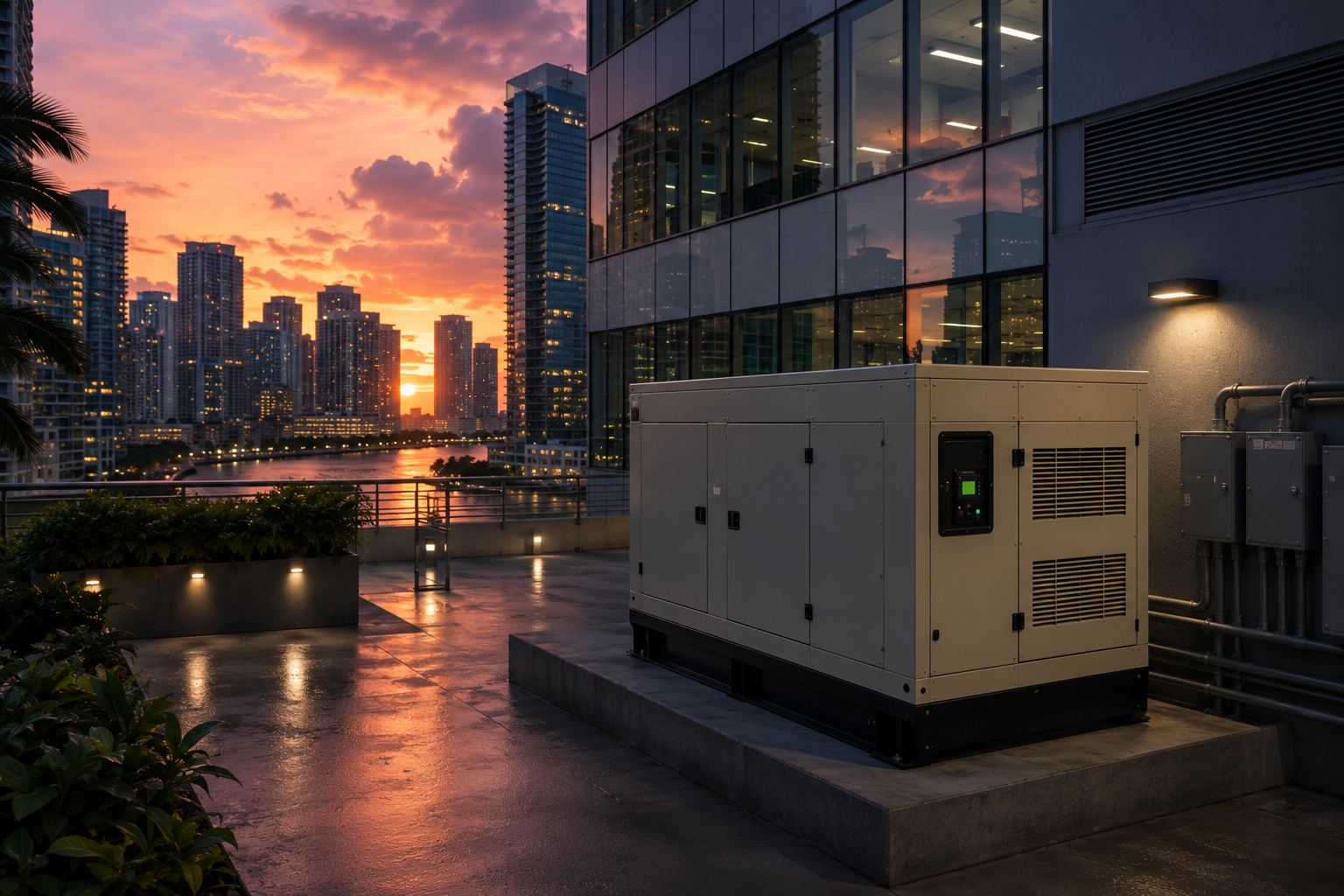
Check your transfer equipment
Automatic transfer switches are what make backup power seamless. They also wear out. A maintenance visit confirms they will actually transfer when the grid drops.
Have a service relationship in place
After a storm, every building is calling for help at once. Buildings on a maintenance plan get served first, because the contractor already knows the system.
BeaconVolt designs, installs, and maintains backup power for commercial buildings across South Florida, so you are ready before the next storm season.
More Articles
The federal 30C credit covers up to 100,000 dollars per EV charging port, but the window closes June 30, 2026. Here is what commercial property owners need to know.
Residents want EV charging, but adding it to an existing building takes planning. A practical guide for HOAs and property managers.
LED retrofits cut energy and maintenance cost while improving light quality. Here is how the numbers work for commercial buildings.
Let Us Power Your
Next Project.


