

.png)

.png)

Resident demand for EV charging is rising fast, and for multifamily buildings it is becoming an amenity that affects leasing and resale. Adding it to an existing building, though, is not as simple as mounting a charger on a wall.
Start with the service
The first question is whether the building has the electrical capacity to support charging, and how much. Older buildings often need a service or panel upgrade before chargers can be added at any scale.
Decide how charging will be shared and billed
Will charging be assigned to specific spaces, shared across residents, or open to guests? The answer shapes the design and whether you need networked chargers that can meter and bill usage.

Plan for growth
Installing conduit and capacity for future chargers during the first phase is far cheaper than reopening the project later. Smart design builds in room to grow.
Use the incentives
The federal 30C credit can offset a large share of the cost for qualifying properties, but it ends June 30, 2026, so timing matters.
BeaconVolt assesses, designs, and installs multifamily EV charging across South Florida, sizing the system so it fits the building and the budget.
More Articles
The federal 30C credit covers up to 100,000 dollars per EV charging port, but the window closes June 30, 2026. Here is what commercial property owners need to know.

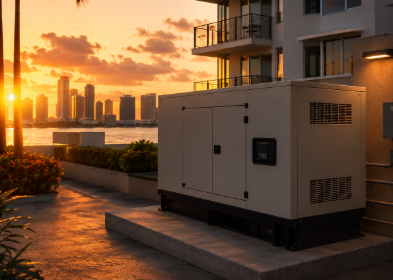
South Florida storms can knock out power for days or weeks. Use this checklist to make sure your building's backup power is ready before the next storm.
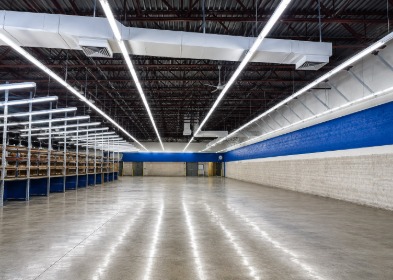
LED retrofits cut energy and maintenance cost while improving light quality. Here is how the numbers work for commercial buildings.
Let Us Power Your
Next Project.


